Male Fertility
Male Fertility Issues
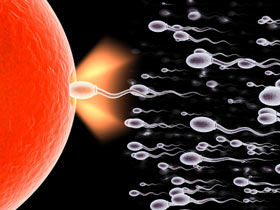
Recent studies show that an increasing number of men suffer reduced sperm count. The reasons are many, including environmental exposures and lifestyle issues. Factors that can impede fertility are the ability of the sperm to travel to the egg, called motility, and the shape of the sperm, called morphology. A malformed sperm can impede its ability to penetrate the egg. If semen is too thick this can also reduce its ability to reach the egg.
Six sperm factors are analyzed in semen analysis:
- Concentration (sperm/milliliter; cc)
- Morphology (parm shape; normal structure associated with sperm health)
- Motility (% sperm movement)
- Standard semen fluid test (thickness and color)
- Total motile count (total number of moving sperm)
- Volume (total volume of ejaculate)
The World Health Organization has established criteria for normal sperm concentration, morphology, and motility. Total motile sperm count, which should be about 40 million, is calculated by multiplying volume by concentration by motility.
It can take 2-3 months for new sperm to be generated so it is important to start therapy as early as possible. I always recommend acupuncture, herbal medicine and specific supplements for men with one or all of the factors mentioned above. In addition we consider lifestyle issues that may impact fertility.
Here are some areas that can be improved with therapy:
- Increased blood flow to the reproductive area to aid in sperm production
- Increased sperm count
- Increase motility or ability for the sperm to swim to the egg
- Reduce semen thickness
- Increase in libido
- Reduced stress which can affect the hormones that contribute to sperm formation
During your initial health evaluation we will look at your overall health and determine a course of treatment for you. This will include a customized herbal formula that is specific for you and your health picture.
Supplements that have been shown to improve the health of sperm are:
- Arginine -This non essential amino acid is needed to produce healthy sperm. Natural production of arginine declines with age.
- Coenzyme Q10 – Helps Increase sperm count and motility.
- L-carnitine – Required for normal sperm function, carnitine is a naturally occurring amino acid and men with healthy sperm in high numbers often have high carnitine levels.
- Selenium – Selenium is believed to be good for sperm mobility. Nearly 50% of the selenium in a man is in the testes and seminal ducts.
- Zinc – Zinc deficiency is common in many people. It is required for a healthy male reproductive system and sperm production. Zinc content in the sperm and prostate gland is higher than in any other body tissue. A deficiency of zinc is associated with numerous sexual problems, including sperm abnormalities and prostate disease. Zinc helps to maintain semen volume and adequate levels of testosterone, keeping sperm healthy.
- Vitamin B-12 – A deficiency of B-12 reduces sperm motility and sperm count and is one of the most frequent vitamin deficiencies, so make sure your intake is adequate.
- Vitamin E – Helps to improve the overall health of sperm. Sperm can be damaged by harmful molecules (free radicals). Vitamin E is an antioxidant which helps to reduce the number of free radicals, vitamin C also can be taken for its antioxidant qualities.
- Omega 3 fatty acids – This can be found in oily fish and flaxseed oils and can help improve the sperm membrane fluidity and male fertility.
Bethany Muhl, L.Ac
13315 W. Washington Blvd, Suite304
Los Angeles, CA 90066
(310)367-1564

